Edited 20/02/2026
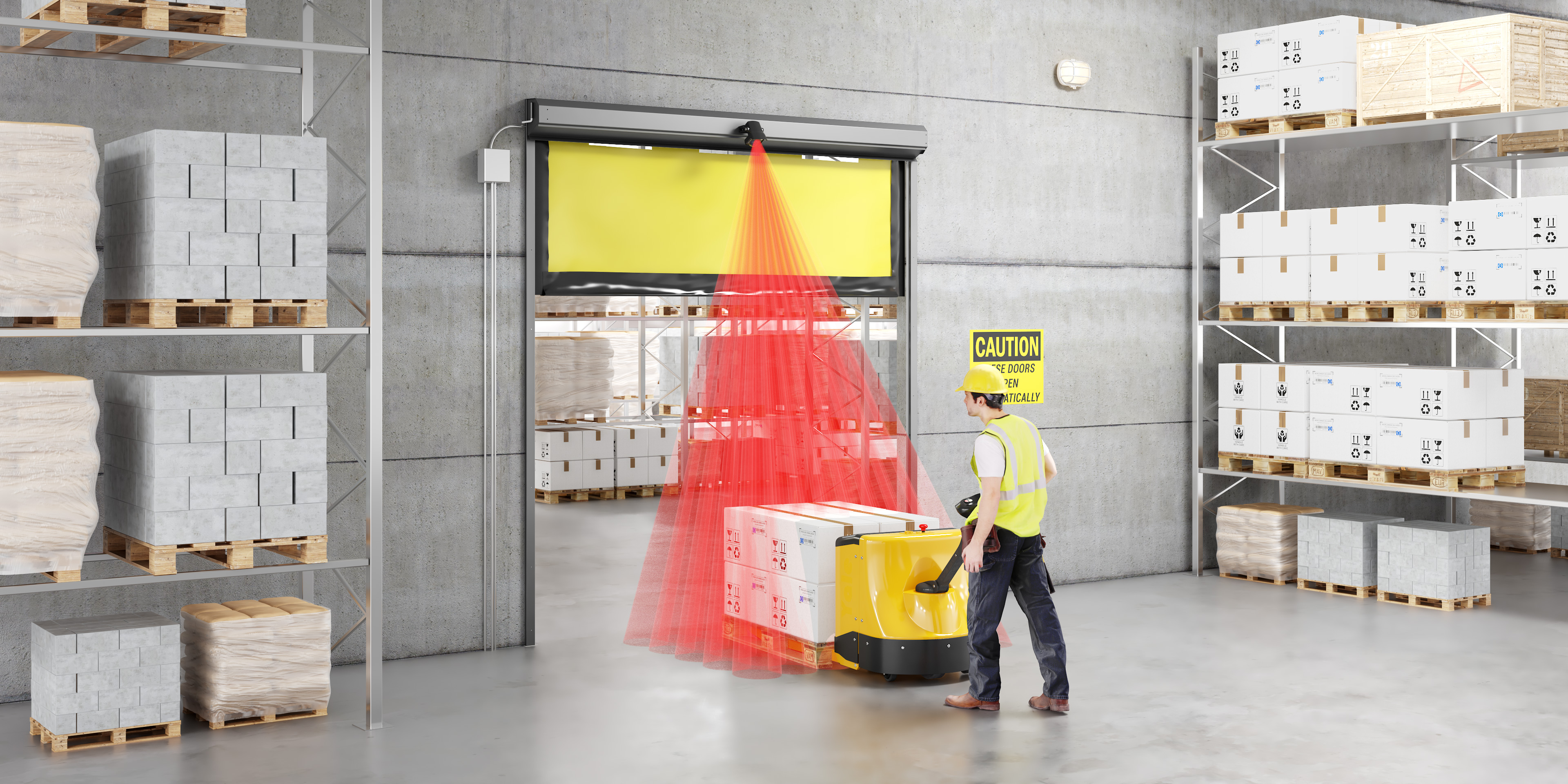
The BEA Milan Sensor uses active infrared technology to detect presence, providing accurate feedback on the detection of objects (pedestrians, vehicles, other) located within the detection field, preventing door closure.
The Milan can be mounted at a height of 2.5m - 6.0m and is suitable for both indoor and outdoor use, with an immunity filter against disturbances such a door vibrations and rain etc. making it versatile for various industrial settings.
The Spotfinder can be used as a visual aid to set up the infrared detection field. Like the Falcon, all parameters can be set from ground level via the BEA Remote.
The Milan’s presence detection field can be customised to the site's requirements depending on the object size. This allows you to filter out detection of smaller objects, i.e. pedestrians, pallets etc, providing a possible alternative to a traditional ground loop.
So why wait? Speak to GfA UK Sales today to discover the BEA Milan Sensor range and its capabilities…experience the future of sensing technology and unlock a world of possibilities in industrial environments.
Features:
- Reliable Protection: Increased protection of vehicles and pedestrians and improvement of the door protection and reduction of collision risks
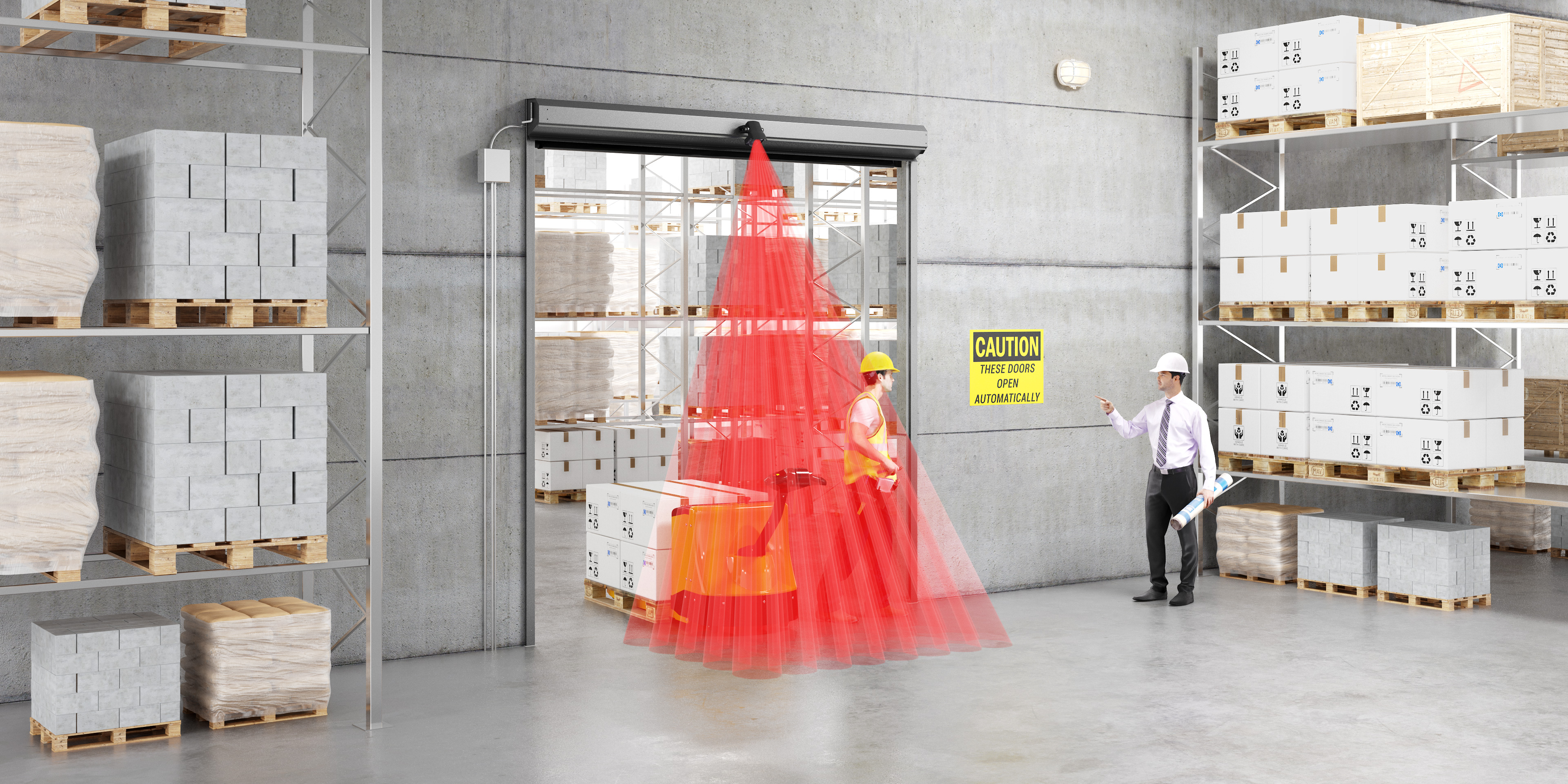
- Flexibility: Adjust the detection area and the minimal size of the target and 2 relay outputs enabling to run motion and presence detection separately